
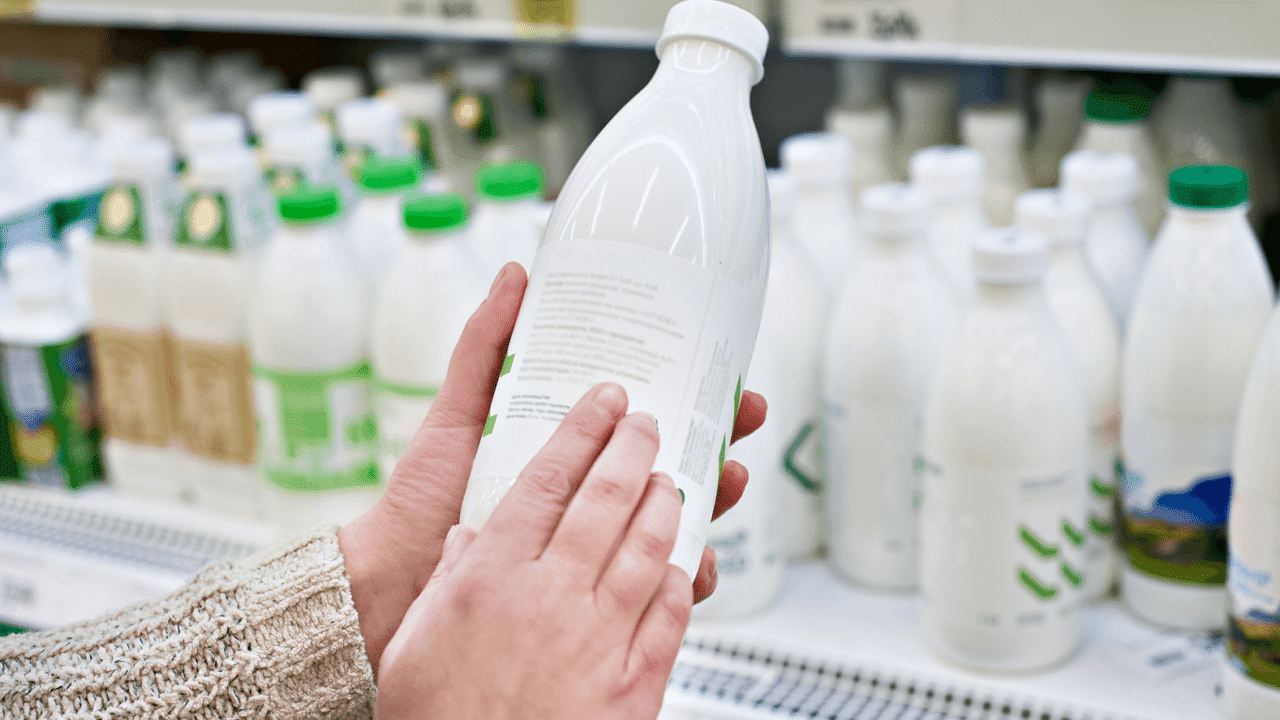
The Recycled Content Claims Toolkit
A practical guide to building clear, credible, and compelling consumer-facing recycled content claims.

A practical guide to building clear, credible, and compelling consumer-facing recycled content claims.
Key data points from SPC’s consumer research into labels, film collection, composting, and more.

A conversation companion for making the case for sustainable packaging and innovation to your organization’s leadership.

An overview of PCRs and EPDs, and how the two are connected to packaging life cycle assessment (LCA).

Research shows narratives about recycled materials resonate powerfully with consumers.

Key considerations when choosing single-use packaging materials.

Designed to help companies drive successful, scalable reuse initiatives.

Assesses myths and trade-offs around packaging from alternative fibers.

This trends report calls attention to innovations we’re seeing from both our Member companies and the international packaging community.
A hub of sustainable resources, collated by the Sustainable Packaging Coalition.

This short resource provides a single point of reference for terminology and acronyms frequently used when discussing life cycle assessment, environmental trade-offs, carbon footprints, and related topics.

The principles of sustainable packaging aid the value chain in approaching sustainable packaging systematically, minimizing negative impacts, while improving performance and purpose.

This guide to recycled plastics aims to empower brands and their suppliers with an expanded knowledge of policy and legislation.

This guide to recycled plastics aims to empower brands and their suppliers with the knowledge to improve sourcing of recycled plastic.

This guide to recycled plastics aims to empower brands and their suppliers with the knowledge necessary to expand usage of recycled plastic.

Reduce food waste at the consumer and retailer levels by prioritizing food waste prevention and deploying the right packaging design.