

How Food Residue Affects Paper Packaging Recyclability
Takeaways from SPC’s research into food residue’s affects on paper packaging recovery.

Takeaways from SPC’s research into food residue’s affects on paper packaging recovery.
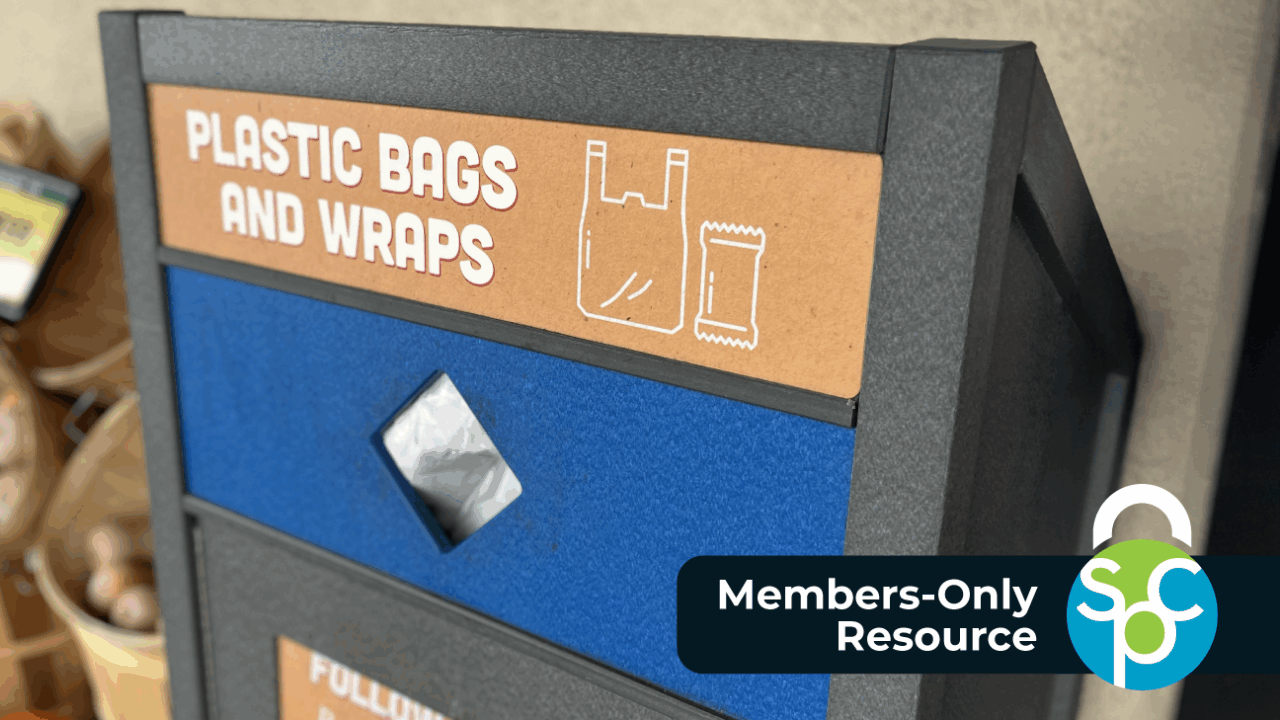
Insights into best practices for Store Drop-off programs to improve plastic film collection.

Assesses myths and trade-offs around packaging from alternative fibers.

A resource designed to explain chemical recycling technologies relevant to packaging.

The principles of sustainable packaging aid the value chain in approaching sustainable packaging systematically, minimizing negative impacts, while improving performance and purpose.

This guide to recycled plastics aims to empower brands and their suppliers with an expanded knowledge of policy and legislation.

This guide to recycled plastics aims to empower brands and their suppliers with the knowledge to improve sourcing of recycled plastic.

This guide to recycled plastics aims to empower brands and their suppliers with the knowledge necessary to expand usage of recycled plastic.

Despite the benefits, flexible packaging is a challenge. Improved recovery is key to closing the loop for this material.

An introduction to paper packaging recyclability test methods & specifications to serve as a guide for overall packaging design.

This guide provides a primer and resources for paper and paper-based packaging

Covering PCR Recycled Content, Chemical Recycling Legislation, EPR, Recovery and Policy.

Covers currently available and in-development paper packaging design guides for recyclability.

This resource evaluates the current state of the Store Drop-off program and explores potential solutions and strategies to address the gaps identified.

The SPC does not support the use of any kind of degradability additives in packaging, including additives that seek to make packaging more degradable.

The Problematic Materials workstream worked with The Plastics Pact Activators to to eliminate problematic and unnecessary resins, components, and formats by 2025.