

Guide to Recycled Plastics: Part 1
This guide to recycled plastics aims to empower brands and their suppliers with the knowledge necessary to expand usage of recycled plastic.

This guide to recycled plastics aims to empower brands and their suppliers with the knowledge necessary to expand usage of recycled plastic.

Reduce food waste at the consumer and retailer levels by prioritizing food waste prevention and deploying the right packaging design.

Despite the benefits, flexible packaging is a challenge. Improved recovery is key to closing the loop for this material.

An introduction to paper packaging recyclability test methods & specifications to serve as a guide for overall packaging design.
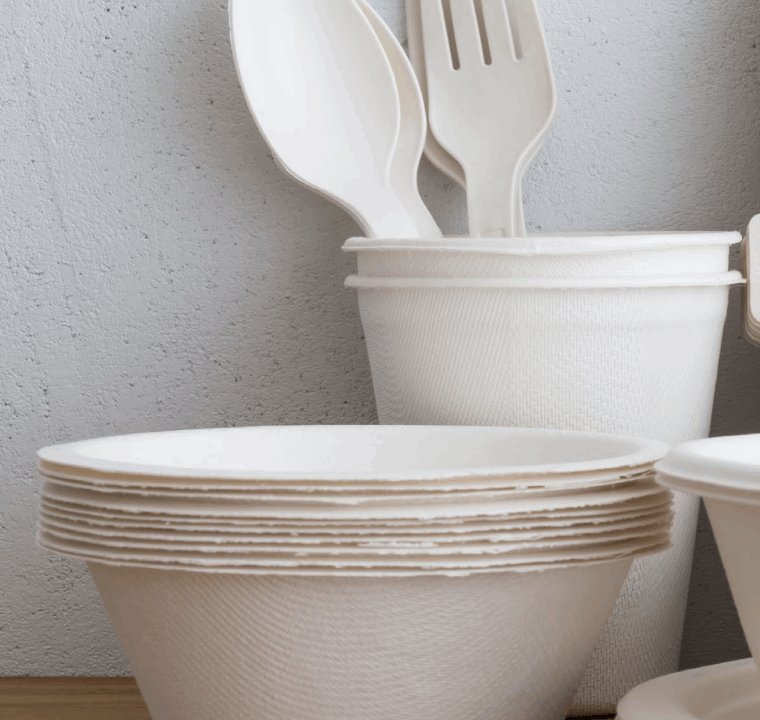
The guide helps brands prevent problems down the road by evaluating which applications are the best fit for compostable packaging.

Covering PCR Recycled Content, Chemical Recycling Legislation, EPR, Recovery and Policy.

Case studies of two quick-service restaurant (QSR) chains in Vermont & New York.

Covers currently available and in-development paper packaging design guides for recyclability.

This resource evaluates the current state of the Store Drop-off program and explores potential solutions and strategies to address the gaps identified.

The SPC does not support the use of any kind of degradability additives in packaging, including additives that seek to make packaging more degradable.

The Problematic Materials workstream worked with The Plastics Pact Activators to to eliminate problematic and unnecessary resins, components, and formats by 2025.

The SPC recommends that packaging companies do not use the term biodegradable to market their products to suppliers, retailers, or consumers.

Chemical recycling refers to a spectrum of physical and chemical processes for transforming plastic or polymer waste into new products. Chemical recycling technologies fall under three main categories: purification, depolymerization, and conversion.

PCR Primer for Retail Teams focused in Policy, Purchasing, Sourcing, Design, and Product Development surrounding plastic packaging.
Increased transparency around impacts, green chemistry principles, and collaboration to strengthen the entire. recycling system are crucial to the successful implementation of chemical recycling.

The circularity of hard-to-recycle plastics benefits from design for recyclability, improved infrastructure for collection and sortation, and increased demand pull from end markets.