The Sustainable Packaging Coalition, in collaboration with program members and industry partners, spearheaded a multifaceted research project to better understand the impact of food residue on the recyclability of paper packaging. In our research, we learned that on-pack labeling and supporting education play a critical role in reducing the amount of food residue entering the recycling stream. While food contamination may present a less significant issue to paper recyclers than often perceived, allowance of higher levels of food residue is not a viable path forward. Increasing the amount of food packaging accepted for recycling, and correctly recycled by consumers, will require collaboration among stakeholders across the paper packaging and recycling value chains.
Research Methodology
This research combined a direct consumer behavior study with targeted outreach to paper recyclers, providing both a demand-side and supply-side view of the residue challenge.
Consumer Behavior Study
Conducted by Clemson University, study participants divided into three groups were provided with 19 packaging formats to assess how the How2Recycle label impacted their preparation of packages for recycling. Participants were surveyed after the activity.
Paper Recycler Outreach
Consultants from Insight + Action conducted outreach to stakeholders in the paper packaging recycling chain to better understand how food residue from residential sources impacts recycling from an operational and business perspective.
Education and On-Pack Messaging Is Key to Reducing Food Residue Entering the Recycling System
Findings from the research underscore that educating consumers on what is — and is not — recyclable, and how to properly prepare packaging for recycling, is essential to reducing food residue in the recycling stream. While some participants took action to clean packaging without prompting, adding a How2Recycle label and brief educational guidance further reduced food residue, demonstrating that consumers will act on clear, specific instruction when provided.
Percent of participants who successfully recycled items, cleaning off at least 50% of residue:
Sources that aid in understanding if a package is recyclable:
Food Residue Isn’t a Major Barrier for Most Paper-based Packaging, But Certain Formats Still Create Friction
Some study participants were confused about the recyclability of certain packaging formats while others found some formats too inconvenient to clean before recycling. These results highlight a clear gap: consumers are willing to recycle clean paper packaging, but they’re not always willing to clean it first.
Participant views on included package formats:
| Product | Component | Recyclability Confusing | Too Inconvenient | Would Recycle if Clean |
|---|---|---|---|---|
| Frozen Meal — Mac & Cheese | Bowl | |||
| Carton | ||||
| Frozen Enchiladas | Bowl | |||
| Carton | ||||
| Frozen Pizza | Tray | |||
| Carton | ||||
| Ice Cream — Strawberry | Tub | |||
| Lid | ||||
| Paper Bowl | — | |||
| Paper Plate | — |
Most Consumers Already Know to Clean Food Residue from Packaging Before Recycling
Most participants knew to clean food residue off packaging prior to recycling, regardless of whether the package included explicit instruction to do so. With explicit on-pack instruction included, nearly all study participants took action to remove food residue — provided they did not find the package too difficult to clean.
Most Recycling Facilities View Food Residue as a Minor Issue, But None Are Open to Receiving More of It
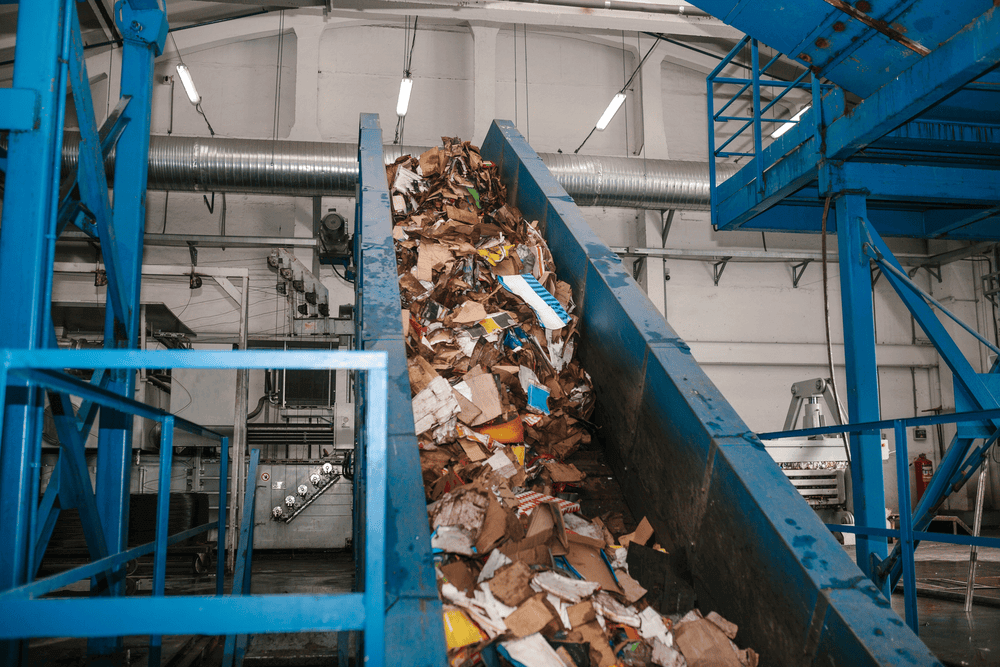
For paper food packaging, physical remnants are often seen as problematic, while residue absorbed into the fiber is less concerning. Since relying on recyclers to accept more food residue isn’t a viable path forward, efforts should be made to reduce the amount of residue currently entering the recycling stream.
Industry Alignment Is Needed to Communicate Acceptable Food Residue Levels
While language like ‘Clean & Dry’ provides concise on-pack instruction, the paper industry may be better served by developing specific language tailored to paper food packaging. Clearer, more specific guidance would help consumers understand what’s acceptable, increasing collection without compromising material quality downstream.
Participant understanding of instructions on a How2Recycle Label: